‘How do I get an autism assessment in Canada?’
If you’re typing this question into Google at eleven at night, I want you to know something before you read another word: I have been exactly where you are.
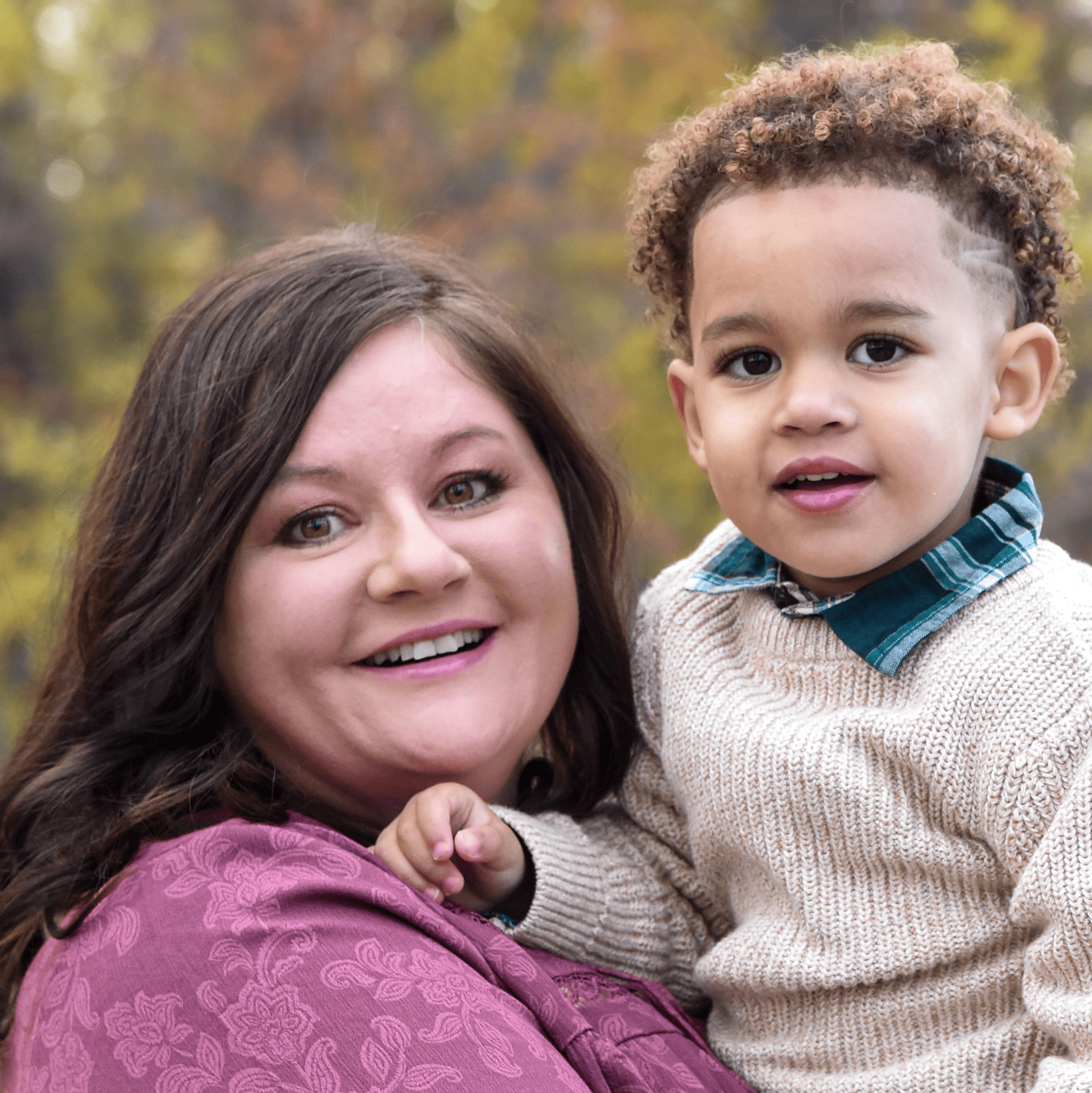
I have sat in a pediatrician’s office, watching my son Zion not quite fit into any category the doctor in front of me could name, and I have felt the particular exhaustion of being the only person in the room who is sure something is going on, while the professionals shrug.
This guide is the one I wish someone had handed me at the start. It provides an overview of how the assessment process actually works across Canada, province by province and territory by territory, because the steps you take depend heavily on where you live. It also includes what I learned the hard way, the parts nobody tells you until you’ve already lived them.
Quick Answer
In most provinces and territories, the process looks like this:
1. Speak with your family doctor or nurse practitioner.
2. Ask for a referral to the appropriate autism assessment service.
3. Complete any developmental screenings or specialist appointments.
4. Attend the autism assessment.
5. If your child is diagnosed, apply for the supports available in your province or territory.
The exact pathway depends on where you live, which is why this guide breaks it down province by province.
Why This Process Is Harder Than It Should Be
Here is something that surprised me more than almost anything else in this journey: doctors can refuse to diagnose your child even when they agree that something is wrong. They simply may not be able to say what. And without a diagnosis, your child can lose access to the very supports that helped you notice the progress that’s now making diagnosis harder to pin down.
I’m not saying this to scare you. I’m saying it because it’s the single most important thing to understand before you start, so you can advocate with your eyes open instead of finding out the hard way.
Our Story: What the Process Actually Looked Like
When Zion was clearly struggling, we did what most parents do. We saw our family doctor, who referred us to a pediatrician. The wait was about two months at the time, though in Calgary that same wait has since stretched closer to five months.
The first pediatrician we saw wasn’t ready to diagnose Zion. To be fair, neither were we. She saw us three more times over several months, and each time, the message was the same: let’s wait and see.
Eventually, we found a new pediatrician who was willing to actually dig in. But he hit a wall, too. He referred us to a behaviour analyst in his clinic because he genuinely couldn’t tell whether Zion was autistic or whether something else, possibly a genetic condition, was driving what we were seeing.
The behaviour analyst also wouldn’t diagnose Zion. So we asked for a second opinion at our region’s Child Development Services centre. They said no. Our request was denied.
It was Zion’s early intervention-funded school that turned things around. They wrote a letter of support on our behalf, and that’s what finally got Child Development Services to agree to see us. CDS is operating on approximately a five month wait. In the meantime, we have temporary funding to get us through the fall – but it’s funding that disappears the moment it becomes clear a diagnosis isn’t going to land in time.
It’s unlikely your story will look just like ours. But, I share all of this because I want you to know that a long, winding, frustrating road doesn’t mean you’re doing anything wrong. It often just means you’re doing this in Canada, and the systems aren’t always straight forward.
What I’d Tell a Parent Just Starting Out
If I could go back and talk to myself at the very beginning, here’s what I’d say.
If you genuinely feel your child maybe autistic, allow an early diagnosis. I understand the instinct to wait, especially when your child is young, and the picture isn’t clear yet. But an early diagnosis solidifies access to support, and that support can shape a child’s trajectory through school and into adulthood in ways that are hard to overstate.
Here’s the trap, and it’s one we fell into ourselves: if your child responds well to early intervention, regains speech, and makes real social progress, the nuances of autism become much harder to see in a doctor’s office.
The very thing you’re working so hard toward – your child’s growth – can end up working against the diagnosis that secured the support that made that growth possible.
Without a diagnosis, you can (and eventually will) lose funding for many support services and early intervention that have helped your child come so far.
It’s a cruel irony, but knowing it exists going in can help you push harder and sooner, rather than waiting for things to become more obvious.
Building Your Case: What Actually Helps
A few concrete things can move this process along faster than just showing up and describing your concerns from memory.
Keep a running log of what you observe, with dates and specific examples rather than general impressions. Video evidence is enormously valuable, because a fifteen-minute appointment in an unfamiliar room rarely captures what a child’s day-to-day behaviour actually looks like.
Look up the diagnostic criteria used in your province and go through it deliberately, noting how your child’s behaviour lines up with each point. Doing this serves two purposes.
- It helps you communicate more precisely with doctors who may only be seeing a narrow slice of your child’s life
- It helps you trust your own observations when a professional tells you to wait and see.
What to Do While You Wait
One of the biggest mistakes I think parents make is assuming they have to put everything on hold while they wait for an assessment.
For us, the wait wasn’t unbearable, largely because we were putting good things into practice at home the whole time. We worked on diet changes, both clinical and at-home speech therapy, nervous system support, a supplement regimen, and ongoing work with a naturopath.
I want to be clear that I’m not presenting any of this as the answer, or as something every family needs to replicate. There are many biomedical, holistic, and functional medicine approaches that families explore while waiting for assessment, and what worked for us may not be the right fit for you. What I can say is that having something proactive to do, rather than simply counting down days on a waitlist, made a real difference for our family’s sense of agency during a genuinely hard stretch.
If the public wait becomes untenable, or if your child’s support hinges on a timeline the public system can’t meet, a private assessment is worth considering. It comes with a real cost, but for some families it becomes necessary.
While the overall process is similar across Canada, the details vary depending on where you live. Expand your province or territory below to see the assessment pathway in your area.
How Assessment Works, Province by Province
Federal Assistance: The Disability Tax Credit
The Disability Tax Credit is a federal tax credit for people with a severe and prolonged impairment, including some children with autism or developmental disabilities. It is not autism funding on its own, but approval can matter because it may connect your family to other federal programs, including the Registered Disability Savings Plan (RDSP) and the Canada Disability Benefit. It can also be backdated for up to 10 years in some circumstances, so even if your child’s diagnosis or paperwork came later, don’t assume you’ve missed your chance to apply.
You’re Not Failing At This
If you’re in the middle of this process right now – stuck on a waitlist, denied a second opinion, or watching a temporary funding clock tick down – I want to say this plainly: this system asks an enormous amount of parents, often at the exact moment they have the least capacity to give it.
- Document everything.
- Ask for things by name instead of waiting for them to be offered.
- Keep pushing, even when you’re told to wait.
And remember that a long, frustrating path to diagnosis isn’t a sign that you’ve done something wrong. It’s a reality that families across Canada face every day.
I hope this guide helps you spend a little less time wondering what to do next, and a little more time moving your child toward the support they deserve.