Autism Compass | BLOG

How to Access Publicly Funded Autism Programs in Canada by Province

This article talks about many of the publicly funded autism programs for children in Canada, broken down by province or territory.

Why I Created This Guide

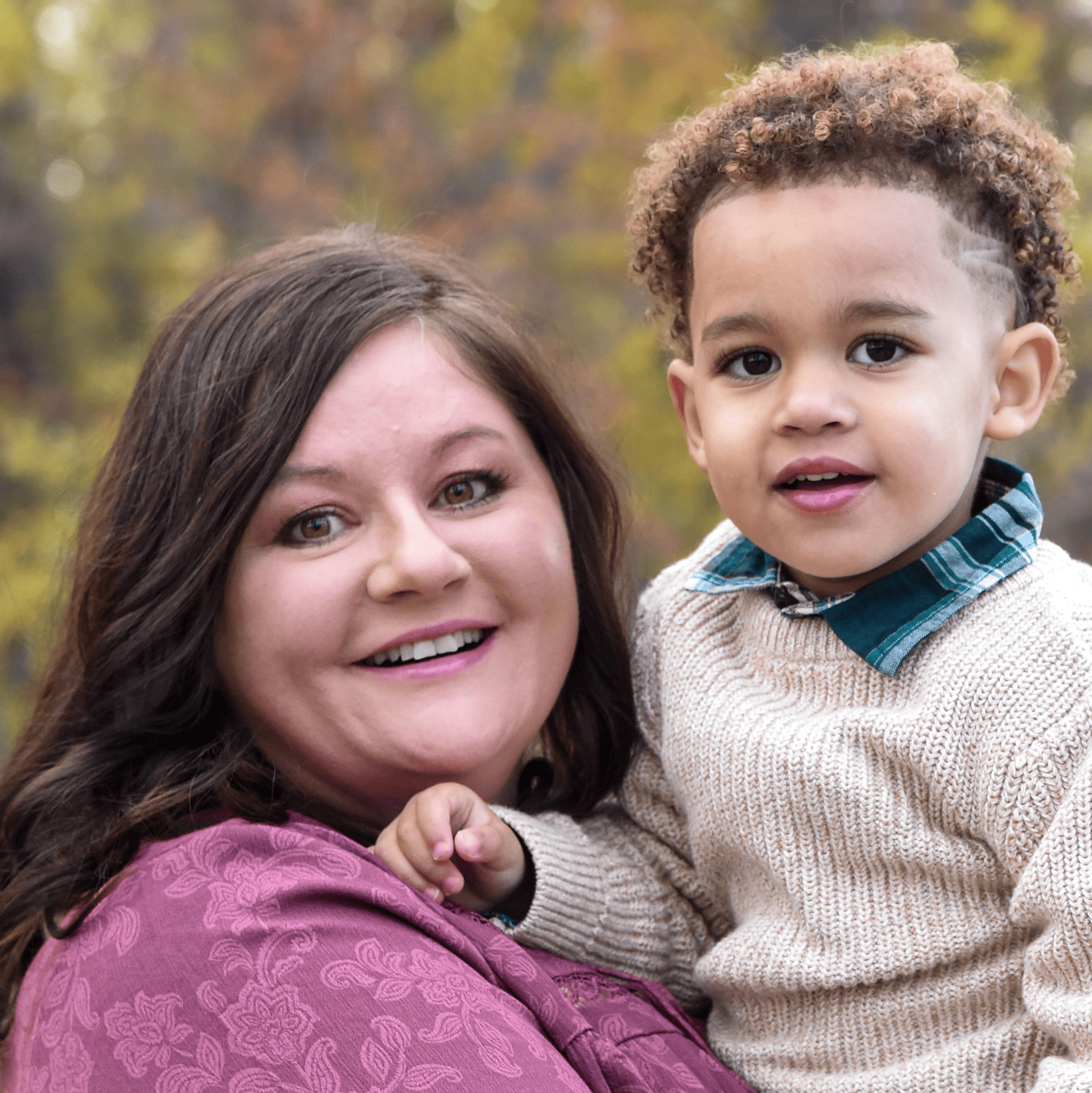
When I started this journey with my son Zion, I spent hours doing the same searches you’re probably doing right now. I wanted one thing: a clear answer for how to get the therapy he needed without going broke trying.

I remember posting in a Facebook group, half hoping someone would hand me a magic list of free programs that would cover everything. Instead, someone gave me advice that’s stuck with me ever since:

“You have a child with autism. Life just got very expensive. Start saving, and don’t expect anyone to pay. You may never see a dime, and that’s ok. You have to do what you have to do for your kid.”

It stung at the time. But years later, I’ve found it to be mostly true. I’ve used Alberta’s PUF and Pediatric Community Rehabilitation for my son, and they’ve genuinely helped. But if I want something specific for Zion, more often than not, I’m the one figuring out how to pay for it.

That doesn’t mean public programs aren’t worth pursuing. They absolutely are, and this post is going to walk you through every one I could find in your province or territory. But I want you to go in with realistic expectations, not because the system doesn’t care, but because most of these programs were never designed to cover the full cost of raising a child with autism.
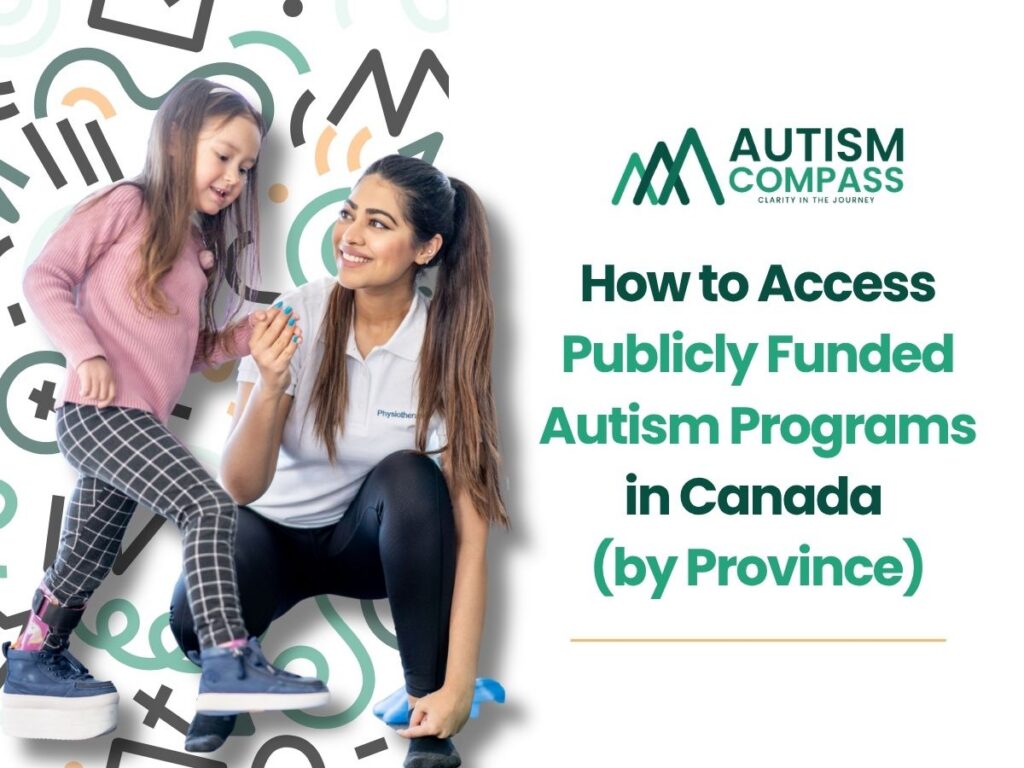
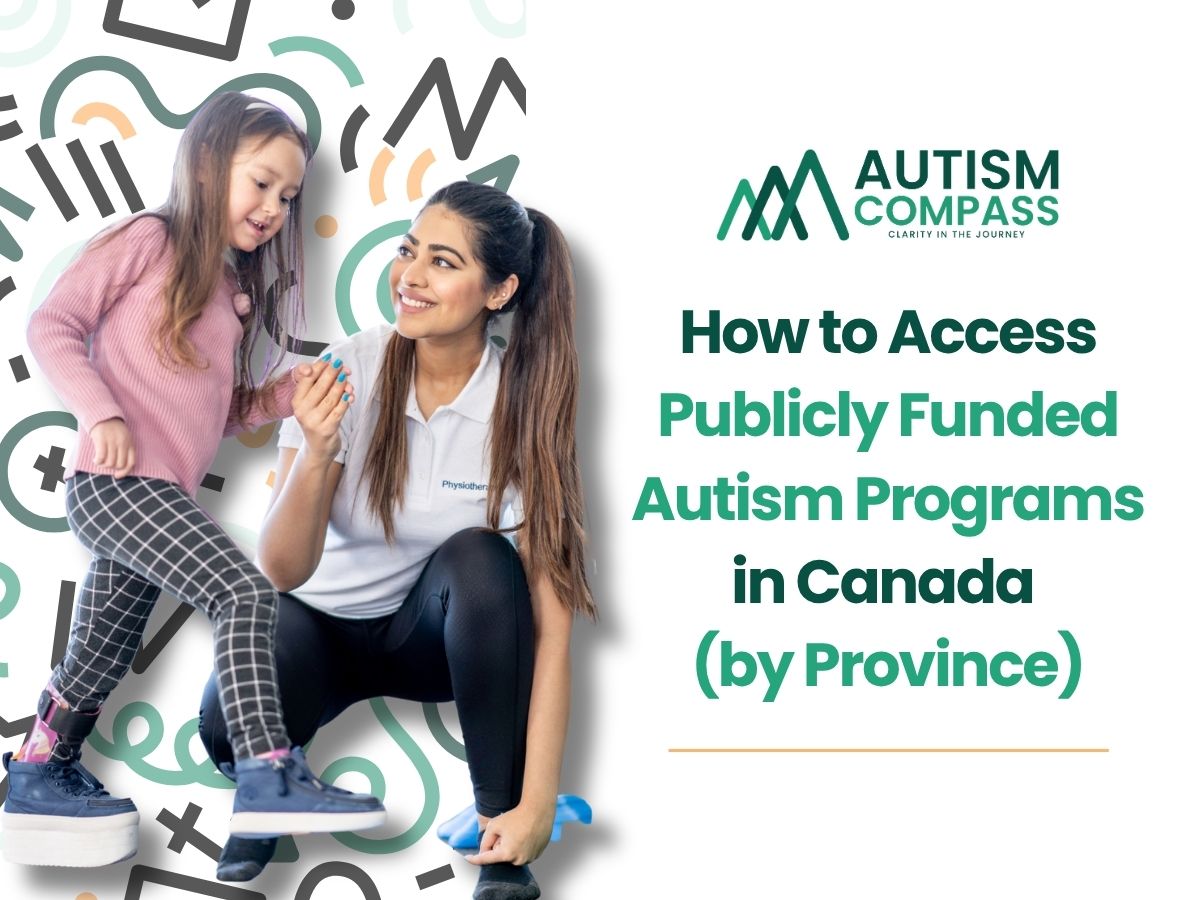
Illustration of a physiotherapist helping a young girl with therapy exercises beside the title "How to Access Publicly Funded Autism Programs in Canada (by Province)" and the Auti

Before You Start: How Autism Funding Works in Canada

Before you jump into the province-by-province guide, there are a few things worth understanding about how autism funding works in Canada.

One of the biggest sources of confusion is that there isn’t one Canadian autism funding system. Every province and territory creates its own programs, decides who qualifies, and determines how services are delivered. That’s why you might hear one family rave about the support they received while another family in a different province had a completely different experience.

Another thing that’s helpful to know is that funding doesn’t always look the same. Some provinces give families direct funding to choose their own therapists. Others fund approved organizations or clinics that provide services on your behalf. Neither approach is necessarily better, but it’s important to understand how your province’s system works before you apply.

Finally, public funding and school supports are usually separate systems. Your child may qualify for speech therapy, occupational therapy, behavioural services, or other health supports through one program, while receiving accommodations or an Individual Education Plan (IEP) through another.

Here are a few things I wish someone had explained to me when we were getting started.

Apply as early as you can

Many programs have waitlists, and some can take months or even years before services begin. If your child is eligible, it’s usually worth applying as soon as possible, even if you’re still deciding what therapies you want to pursue.

A diagnosis isn’t always required

Some publicly funded speech-language pathology, occupational therapy, physiotherapy, and early intervention services accept children based on developmental concerns alone. If you’re still waiting for an autism assessment, don’t assume you have to wait before seeking support.

Funding doesn’t always go directly to you

Some provinces provide direct funding that lets families choose their own therapists. Others fund organizations or clinics that deliver services on your behalf. Both approaches can provide valuable support, but it’s helpful to understand how your province’s system works before you begin.

School supports are separate from therapy funding

Many parents are surprised to learn that school supports and therapy funding are usually completely different systems. Your child may qualify for educational supports, accommodations, or an Individual Education Plan (IEP) at school while also receiving therapy through separate provincial health or disability programs.

Federal programs may provide additional help

Depending on your family’s circumstances, you may also qualify for federal supports that work alongside your provincial programs. These can include Jordan’s Principle for eligible First Nations children, the Disability Tax Credit (DTC), the Canada Disability Benefit (when applicable), and other financial assistance programs. These aren’t replacements for provincial funding, but they can help fill some of the gaps.

The province-by-province guide below is designed to help you understand what’s available where you live and where I’d start if I were navigating the system today.

Jordan’s Principle

If your child is a First Nations child, there’s one more door worth knowing about before you get into the province-specific list below: Jordan’s Principle.

It’s a federal principle, not a provincial program, and it exists specifically to make sure First Nations children get access to the health, social, and educational supports they need without getting stuck in jurisdictional disputes between federal and provincial governments about who’s supposed to pay.

If a provincial program in the list below falls short or doesn’t cover something your child needs, Jordan’s Principle can sometimes fill that gap. You can find a Jordan’s Principle navigator in your region through Indigenous Services Canada.

Publicly Funded Autism Programs By Province

If you live in Alberta, you’re in a fairly good position compared to many other provinces. While no program covers everything, Alberta has several publicly funded options that can help with therapy, preschool supports, and family services.

Where I’d Start

these would be my first three phone calls and to-dos:

  1. Pediatric Community Rehabilitation (PCR) for free speech-language pathology, occupational therapy, and physiotherapy while you’re waiting for other services.
  2. Family Support for Children with Disabilities (FSCD) if your child has a diagnosis or one is in progress, apply immediately. 
  3. A preschool that offers Program Unit Funding (PUF) if your child is old enough.

Publicly Funded Autism Programs in Alberta

Program Unit Funding (PUF)

What it is: Program Unit Funding is the program most Alberta parents hear about first, for good reason.  PUF covers early childhood education for kids between 2.8 years and kindergarten. 

What it can provide: Early childhood education, with many providers also offering speech-language pathology, occupational therapy, and other supports during preschool.

Good to know: You don’t apply for PUF yourself. The funding goes directly to approved preschool providers, so your job is to find a provider with available spaces.

Family Support for Children with Disabilities (FSCD)

What it is: FSCD is Alberta’s main disability support program for children under 18 with developmental, physical, sensory, neurological, or mental health disabilities.

What it can provide: Respite, behavioural supports, aides, counselling, specialized service agreements, medical travel assistance, and other family supports depending on your child’s needs.

Good to know: You don’t need a finalized autism diagnosis to apply. Families can begin the process while an assessment is still underway. The wait for this program is years long. Apply immediately, and add documentation to your application as you wait for acceptance.

Pediatric Community Rehabilitation (PCR)

What it is: Pediatric Community Rehabilitation is Alberta Health Services’ publicly funded rehabilitation program.

What it can provide: Speech-language pathology, occupational therapy, and physiotherapy for children from birth to 18 years.

Good to know: Parents can self-refer without a physician’s referral, making this one of the quickest public therapy options to access in Alberta. Your child doesn’t need to have a disability to use this program. Any child in the province can use the services of OTs, PTs, and SLPs through PCR.

British Columbia’s autism funding system is in the middle of a major transition, so what’s available depends on when your child applies. The current Autism Funding Program is being phased out while a new disability benefit is introduced over 2026 and 2027. Because of these changes, I’d recommend confirming your family’s eligibility with Autism Information Services BC before making any decisions.

Where I’d Start

If I were applying in British Columbia today, these would be my first steps:

  1. Contact Autism Information Services BC to find out which funding program your family qualifies for during the transition.
  2. Apply for the appropriate provincial funding program.
  3. Contact your local public health unit about the Early Intervention Therapy Program if your child is preschool-aged or waiting for funding.

Publicly Funded Autism Programs in British Columbia

Autism Funding Program (Transitioning)

What it is: The Autism Funding Program is British Columbia’s current program, which is being phased out.

What it can provide: Funding for therapy, equipment, and training based on your child’s age.

Good to know: The program is still accepting eligible applications during the transition, with existing participants continuing under the current system until March 2027.

BC Children and Youth Disability Benefit

What it is: The BC Children and Youth Disability Benefit is the new provincial that’s benefit replacing the Autism Funding Program.

What it can provide: Annual funding of either $6,500 or $17,000, depending on your child’s level of support needs, with eligibility expanding beyond autism to include other significant disabilities.

Good to know: The program is being introduced in stages through 2026 and 2027. An additional income-tested supplement linked to the Disability Tax Credit is scheduled to begin in July 2027.

Early Intervention Therapy Program

What it is: Early Intervention Therapy is a publicly funded early intervention program for young children.

What it can provide: Community-based speech-language pathology, occupational therapy, and physiotherapy from birth until school entry.

Good to know: If your child only needs speech-language support, you can often self-refer directly to your local public health unit’s speech and language program without going through the broader Early Intervention Therapy Program.

Manitoba’s autism services are coordinated through a few connected programs rather than one single funding stream. Most families will start with Children’s disABILITY Services, which can then connect them with therapy and autism-specific supports.

Where I’d Start

If I were applying in Manitoba today, these would be my first steps:

  1. Contact Children’s disABILITY Services to begin the intake process.
  2. Ask about referrals to the Children’s Therapy Network of Manitoba (CTNM) for publicly funded therapies.
  3. If your child has an autism diagnosis, ask whether they’re eligible for the Manitoba ABA Program for Children with Autism (MABACA).

Publicly Funded Autism Programs in Manitoba

Children’s disABILITY Services

What it is: Children’s disABILITY Services is Manitoba’s primary disability support program for children and youth with developmental, physical, sensory, intellectual, or neurological disabilities.

What it can provide: Case management, respite services, autism outreach training for parents, and access to autism-specific programs, including Applied Behaviour Analysis (ABA).

Good to know: This is the main entry point for many publicly funded autism services in Manitoba.

Children’s Therapy Network of Manitoba (CTNM)

What it is: The Children’s Therapy Network of Manitoba (CTNM) is Manitoba’s publicly funded children’s therapy network.

What it can provide: Occupational therapy, physiotherapy, speech-language pathology, and audiology services.

Good to know: Many families are referred through Children’s disABILITY Services, but parents can also self-refer directly.

Manitoba ABA Program for Children with Autism (MABACA)

What it is: The Manitoba ABA Program for Children with Autism (MABACA) is a provincially funded Applied Behaviour Analysis (ABA) program delivered by St. Amant.

What it can provide: Individualized ABA therapy supervised by a clinical consultant, with therapy hours based on your child’s assessed needs.

Good to know: Families don’t apply directly. Access is arranged through Children’s disABILITY Services.

New Brunswick stands out because it offers one of the most comprehensive publicly funded preschool autism programs in Canada. Every eligible preschool child with a confirmed autism diagnosis can access services, without competing for a limited number of funded spaces.

Where I’d Start

  1. Apply for the Preschool Autism Program as soon as your child receives an autism diagnosis.
  2. Ask your program provider about the transition to school-based supports before your child starts kindergarten.
  3. Connect with your child’s future school early to begin planning for educational supports.

Publicly Funded Autism Programs in New Brunswick

Preschool Autism Program

What it is: The Preschool Autism Program is New Brunswick’s publicly funded early intervention program for preschool children with a confirmed autism diagnosis.

What it can provide: Up to 20 hours per week of Early Intensive Behavioural Intervention (EIBI) delivered through an approved agency in your local school district.

Good to know: Every eligible preschool child receives services—there isn’t a lottery or limited number of funded spaces. Funding ends when your child starts school, so it’s a good idea to begin talking with your child’s school about special education supports and Educational Assistant services well before kindergarten.

Children’s Rehabilitation Services

What it is: Children’s Rehabilitation Services are publicly funded therapy services available through New Brunswick’s regional health authorities for children with a variety of developmental needs.

What it can provide: Depending on your child’s needs, services may include occupational therapy, physiotherapy, speech-language pathology, and other rehabilitation supports.

Good to know: These services aren’t autism-specific, but they can work alongside the Preschool Autism Program or support children who are waiting for services. Parents can ask their physician or healthcare provider about a referral, and some regions also accept parent referrals.

Newfoundland and Labrador offers several publicly funded autism and behavioural support programs through NL Health Services. While services vary by region, families can access autism-specific intervention, behavioural supports, and rehabilitation services through their regional health authority.

Where I’d Start

  1. Contact your regional NL Health Services office to ask about autism intervention services.
  2. Ask whether your child is eligible for the Direct Home Services Program.
  3. If your child would benefit from behavioural therapy, ask about the Community Behavioural Services Program.

Publicly Funded Autism Programs in Newfoundland and Labrador

The Direct Home Services Program and the Community Behavioural Services Program are both funded through New Foundland’s Department of Health and Community Services.

Direct Home Services Program

What it is: The Direct Home Services Program is Newfoundland and Labrador’s publicly funded early intervention program, delivered through NL Health Services as part of the province’s broader Intervention Services.

What it can provide: Intensive Applied Behaviour Analysis (ABA) services for children diagnosed with autism spectrum disorder, along with other early intervention supports based on your child’s needs.

Good to know: Access is coordinated through NL Health Services, so your regional health authority is the best place to begin the referral process.

Community Behavioural Services Program

What it is: The Community Behavioural Services Program provides behavioural support for children and youth with developmental disabilities.

What it can provide: Behaviour assessments, behaviour support planning, and ongoing consultation for children with complex behavioural needs.

Good to know: This program complements the Direct Home Services Program and is delivered through your regional health authority.

The Northwest Territories doesn’t have a dedicated autism funding program like many provinces. Instead, families typically access publicly funded therapies through Rehabilitation Services and early intervention through the Early Childhood Intervention Program.

Where I’d Start

  1. Contact your local Community Health Centre or regional health authority to ask about rehabilitation services.
  2. If your child is preschool-aged, ask whether they’re eligible for the Early Childhood Intervention Program.
  3. If you live in or near Yellowknife, ask for a referral to the Stanton Child Development Team.

Publicly Funded Autism Programs in Northwest Territories

Stanton Child Development Team

What it is: The Stanton Child Development Team is a multidisciplinary pediatric assessment and therapy service based in Yellowknife.

What it can provide: Assessments, speech-language pathology, occupational therapy, and coordinated developmental services for children with complex needs.

Good to know: Families in Yellowknife are typically referred by a physician or another healthcare professional. If you live outside Yellowknife, your local Community Health Centre is the best place to begin.

Rehabilitation Services

What it is: Rehabilitation Services are publicly funded therapy services provided through the Government of the Northwest Territories.

What it can provide: Speech-language pathology, occupational therapy, physiotherapy, and audiology through regional centres and community outreach clinics.

Good to know: Services are available throughout the territory with a referral from a physician or allied health professional.

Early Childhood Intervention Program (ECIP)

What it is: The Early Childhood Intervention Program is a publicly funded program operated by the NWT Disabilities Council for children from birth until school entry with developmental delays or disabilities.

What it can provide: Individualized early intervention support in preschool, childcare, home, or community settings, along with coaching for families.

Good to know: Parents can make a referral themselves, with parent or guardian permission required to begin services.

Nova Scotia has moved to a centralized preschool autism system. Instead of applying separately for different autism programs, families with preschool-aged children now begin through the Provincial Preschool Autism Service (PPAS), which connects them with the services that best match their child’s needs.

Where I’d Start

  1. Contact the Provincial Preschool Autism Service (PPAS) if your child is preschool-aged.
  2. Ask whether your child is eligible for QuickStart Nova Scotia or intensive autism intervention.
  3. If your family needs respite funding, apply for the Direct Family Support for Children (DFSC) program.

Publicly Funded Autism Programs in Nova Scotia

Provincial Preschool Autism Service (PPAS)

What it is: The Provincial Preschool Autism Service (PPAS) is Nova Scotia’s centralized intake and coordination program for preschool autism assessments, services, and supports.

What it can provide: Clinical intake, care coordination, autism assessments, parent education, and referrals to services such as QuickStart Nova Scotia and intensive intervention.

Good to know: Families only need one point of contact to access preschool autism services across the province. The PPAS team helps determine which services are the best fit for your child.

QuickStart Nova Scotia

What it is: QuickStart Nova Scotia is a one-on-one, play-based parent coaching program for toddlers with suspected, provisional, or confirmed autism.

What it can provide: Coaching that helps parents build communication, play, and social interaction skills into everyday routines for children typically between 12 and 31 months at program entry.

Good to know: Families access QuickStart through the Provincial Preschool Autism Service rather than applying directly.

Intensive Preschool Autism Services

What it is: Intensive preschool autism services are needs-based intervention services delivered through the Provincial Preschool Autism Service partnership.

What it can provide: Intensive autism intervention for eligible preschool-aged children based on their individual strengths and support needs.

Good to know: Nova Scotia has shifted away from the older standalone Early Intensive Behavioural Intervention (EIBI) model toward a broader needs-based service model coordinated through PPAS.

Direct Family Support for Children (DFSC)

What it is: The Direct Family Support for Children (DFSC) program provides funding to help families care for a child with a disability at home.

What it can provide: Funding for respite services and other approved disability supports that help families continue caring for their child at home.

Good to know: DFSC is not autism-specific, but many autistic children qualify. Enhanced funding may be available for families with higher support needs.

Nunavut is currently the only province or territory without a dedicated autism funding program. Families generally access therapy and developmental supports through the territorial health system rather than autism-specific services. While there are fewer options than elsewhere in Canada, there are still publicly funded supports to explore.

Where I’d Start

  1. Contact your regional health centre to ask about Rehabilitation Services.
  2. If your child is under six, ask whether the Healthy Children Initiative or Supported Child Services may be able to help.
  3. Speak with your healthcare team about referrals for additional assessment or therapy if services aren’t available in your community.

Publicly Funded Autism Programs in Nunavut

Rehabilitation Services

What it is: Rehabilitation Services are publicly funded therapy services provided through Nunavut’s regional health centres.

What it can provide: Occupational therapy, physiotherapy, speech-language pathology, and other rehabilitation services, depending on your community and your child’s needs.

Good to know: Services vary by region. Your local health centre is the best place to find out what therapies are available and whether travel to another community may be required.

Healthy Children Initiative

What it is: The Healthy Children Initiative is a territorial funding program that supports early childhood development programs and services for children from birth to age six.

What it can provide: Funding is primarily provided to licensed childcare centres, community organizations, and early childhood programs. Through its Supported Child Services stream, individual funding may also be available for children who require intensive support to participate in childcare or early learning programs.

Good to know: This isn’t an autism-specific program, but it may help families of young children who need additional supports in childcare or early learning settings.

Ontario has one of Canada’s largest autism support systems, but it can also be one of the most difficult to navigate. While there are several publicly funded programs available, many families experience long wait times before receiving funded services. The good news is that there are other supports you can access while you wait.

Where I’d Start

  1. Register for the Ontario Autism Program (OAP) as soon as your child receives an autism diagnosis.
  2. Apply for the Preschool Speech and Language Program if your child is under school age—you don’t need an autism diagnosis to qualify.
  3. If your child is already in school, ask your school about School-Based Rehabilitation Services.
  4. If your family needs respite or support worker funding, apply for Special Services at Home (SSAH).

Publicly Funded Autism Programs in Ontario

Ontario Autism Program (OAP)

What it is: The Ontario Autism Program (OAP) is Ontario’s primary publicly funded autism program for children and youth.

What it can provide: Needs-based funding for services such as Applied Behaviour Analysis (ABA), speech-language pathology, occupational therapy, and other eligible clinical supports.

Good to know: Wait times for funded services can be measured in years rather than months. Register as soon as your child receives an autism diagnosis, even if you aren’t ready to access services immediately.

OAP Urgent Response Services

What it is: OAP Urgent Response Services provides short-term support for children and youth already registered in the Ontario Autism Program who are experiencing a specific safety-related or high-risk situation.

What it can provide: Up to 12 weeks of targeted behavioural support designed to stabilize urgent situations.

Good to know: This isn’t a shortcut to ongoing autism funding. It’s intended for crisis situations and is only available to families already registered with OAP.

OAP Foundational Family Services

What it is: OAP Foundational Family Services is a collection of free programs available to families registered with the Ontario Autism Program.

What it can provide: Caregiver workshops, coaching, peer mentoring, transition supports, and other educational resources.

Good to know: There is no limit to how often you can access many of these services, making them a valuable source of support while waiting for core funding.

Preschool Speech and Language Program

What it is: The Preschool Speech and Language Program is Ontario’s publicly funded speech and language program for children from birth until they begin school.

What it can provide: Assessment and speech-language therapy for young children with communication delays.

Good to know: You don’t need an autism diagnosis or Ontario Autism Program registration to access this service.

School-Based Rehabilitation Services

What it is: School-Based Rehabilitation Services provide therapy supports within Ontario schools.

What it can provide: Speech-language pathology, occupational therapy, and physiotherapy services, depending on your child’s needs and your local school board.

Good to know: Services vary between school boards, so it’s worth asking your child’s school what supports are available in your area.

Special Services at Home (SSAH)

What it is: Special Services at Home (SSAH) is a provincial funding program for families caring for a child with a physical or developmental disability.

What it can provide: Funding for respite services, support workers, and community participation.

Good to know: SSAH doesn’t fund clinical therapies such as ABA, speech-language pathology, or occupational therapy, but it can help cover other supports that make day-to-day life more manageable.

Prince Edward Island has a fairly straightforward autism support system. Most preschool-aged children begin with the Early Years Autism Service, which provides intensive intervention and connects families with additional supports as their child grows.

Where I’d Start

  1. Contact the Early Years Autism Service as soon as your child receives an autism diagnosis.
  2. Ask your Early Years Autism Specialist whether your child qualifies for Preschool Autism Funding.
  3. As your child approaches school age, talk with your specialist about transitioning to School-Age Autism Funding and school-based supports.

Publicly Funded Autism Programs in Prince Edward Island

Early Years Autism Service

What it is: The Early Years Autism Service is Prince Edward Island’s publicly funded early intervention program for preschool children with an autism diagnosis.

What it can provide: Up to 25 hours per week of Intensive Behavioural Intervention (IBI), delivered at home or in your child’s early learning centre.

Good to know: This is the main entry point for publicly funded preschool autism services in PEI.

Preschool Autism Funding

What it is: Preschool Autism Funding helps families or licensed early childhood centres hire an Autism Assistant for children participating in the Early Years Autism Service.

What it can provide: Funding to support your child’s participation in preschool or early learning programs with individualized assistance.

Good to know: Families don’t apply directly. Your Early Years Autism Specialist coordinates the application as part of your child’s care plan.

School-Age Autism Funding

What it is: School-Age Autism Funding is a provincial funding program that supports children after they begin school.

What it can provide: Funding to help families hire a tutor or support worker outside school hours, while Autism Consultants provide support within the school system.

Good to know: This funding complements school-based services rather than replacing them, so your child’s school and Autism Consultant will continue to play an important role after kindergarten.

Quebec takes a different approach than most other provinces. Instead of having a single autism funding program, autism services are delivered through the province’s broader health and social services system. Once your child is accepted into the system, publicly funded therapies and supports are coordinated through your local health authority.

Where I’d Start

  1. Contact your local CISSS or CIUSSS to request an assessment and access autism services.
  2. Ask about referrals to specialized rehabilitation services for children with autism.
  3. If you’re providing care at home, ask whether your family qualifies for the Family Support Program.

Publicly Funded Autism Programs in Quebec

CISSS and CIUSSS Network

You can use your postal code to find your local Integrated Health and Social Services Centre (CISSS) or your Integrated University Health and Social Services Centre (CIUSSS).

What it is: The Centre intégré de santé et de services sociaux (CISSS) and Centre intégré universitaire de santé et de services sociaux (CIUSSS) are Quebec’s regional health authorities and the main entry point for publicly funded autism services.

What it can provide: Assessments, early intervention, rehabilitation services, care coordination, and ongoing therapeutic supports based on your child’s individual needs.

Good to know: Unlike many other provinces, Quebec doesn’t have a separate autism funding program. Most publicly funded autism services are accessed through your local CISSS or CIUSSS.

Centres de réadaptation en déficience intellectuelle (CRDI)

What it is: Centres de réadaptation en déficience intellectuelle (CRDI) are specialized rehabilitation services for people with intellectual disabilities and autism spectrum disorder, delivered through the CISSS and CIUSSS network.

What it can provide: Rehabilitation, habilitation, behavioural supports, communication services, and programs that promote independence and community participation.

Good to know: Families generally don’t contact a CRDI directly. Access is usually arranged through your local CISSS or CIUSSS following your child’s assessment.

Family Support Program

What it is: The Family Support Program provides financial assistance to families caring for a child or adult with a disability at home.

What it can provide: Individualized funding that can help offset the costs of caregiving, respite, and other family support needs.

Good to know: Funding amounts aren’t fixed. Your local CISSS or CIUSSS determines eligibility and the level of support based on your family’s needs assessment.

Saskatchewan gives families more flexibility than many other provinces by providing direct funding that parents can use to choose the therapies and supports that best meet their child’s needs.

Where I’d Start

  1. Apply for Autism Spectrum Disorder Individualized Funding (ASD-IF) as soon as your child receives an autism diagnosis.
  2. Contact your local autism organization if you need help understanding eligible expenses or finding service providers.
  3. Keep copies of receipts and documentation for any funded services.

Publicly Funded Autism Programs in Saskatchewan

Autism Spectrum Disorder Individualized Funding (ASD-IF)

What it is: Autism Spectrum Disorder Individualized Funding (ASD-IF) is Saskatchewan’s primary publicly funded autism program.

What it can provide: Annual funding that families can use toward eligible therapies and supports, including speech-language pathology, occupational therapy, behavioural therapy, tutoring, therapeutic recreation, summer programs, equine therapy, and other approved services.

Good to know: Funding is provided directly to families, giving parents the flexibility to choose the services that best meet their child’s needs. The annual funding amount varies based on your child’s age.

Yukon has a relatively simple autism support system. Most families begin with Children’s Disability Services, while younger children may also receive free therapy through the Child Development Centre.

Where I’d Start

  1. Contact Children’s Disability Services as soon as developmental concerns are identified.
  2. If your child is under five, ask about services available through the Child Development Centre.
  3. Work with your Children’s Disability Services caseworker to determine which therapies and supports best meet your child’s needs.

Publicly Funded Autism Programs in Yukon

Children’s Disability Services

What it is: Children’s Disability Services is Yukon’s primary government program for children and youth with disabilities and developmental needs.

What it can provide: Funding for respite, family counselling, sibling support, specialized interventions such as Applied Behaviour Analysis (ABA), and other services based on your child’s assessed needs.

Good to know: You don’t need a formal autism diagnosis to begin the process. Families can apply while an assessment is underway, and you don’t need a referral to get started.

Child Development Centre

What it is: The Child Development Centre is a nonprofit organization that provides free early intervention and therapy services for young children in Yukon.

What it can provide: Speech-language pathology, occupational therapy, physiotherapy, developmental therapy, and family support services for children from birth to age five.

Good to know: The Child Development Centre works alongside Children’s Disability Services rather than replacing it. Many families access support from both organizations at the same time.

What I’ve learned along the way

If you’ve made it this far, you’ve probably noticed the same thing I did when I started: some provinces have a lot of doors to knock on, and some have very few. None of them, even the strongest ones, fully cover everything a child with autism might need.

That doesn’t mean these programs aren’t worth pursuing. They absolutely are. Every hour of funded therapy, every dollar of respite funding, and every support your child qualifies for can make a real difference. But I’ve learned not to wait for the system to have all the answers before helping my son.

Good private insurance has made a big difference for our family. But the biggest shift was changing how I approached therapy. Instead of treating every speech or occupational therapy appointment as something that happened to my child, I started treating it as a chance for me to learn, too. I ask questions, take notes, and watch what the therapists are doing. Then try to carry those same strategies into everyday life at home.

Over time, that changed everything. We’ve gone from weekly speech therapy appointments to checking in just a few times a year, not because Zion no longer needs support, but because we’ve built so much of that support into our daily routines.

I probably spend more time reading about autism now than almost anything else. I follow speech-language pathologists, occupational therapists, psychologists, and autistic adults who generously share what they’ve learned. Then, I invest in books and courses that help me better understand how my son experiences the world. Not because I think parents should replace professionals, but because I believe we’re a part of the therapy team too.

My hope is that this guide saves you some of the hours I spent trying to figure out where to start. Apply for every program your family qualifies for. Ask questions. Don’t be afraid to advocate for your child. And remember that some of the most important progress happens during the thousands of ordinary moments between therapy appointments.

More Articles You Might Like

Found this helpful? 📌 Save it for later or share it with another parent.

Categories You May Like

Amy Tandiko
Founder & Director, Autism Compass
Speech-Language Pathologist and founder of Autism Compass. With over 12 years of experience supporting children and families, she is passionate about evidence-based strategies and compassionate care.
Stay Connected

Explore Our Categories